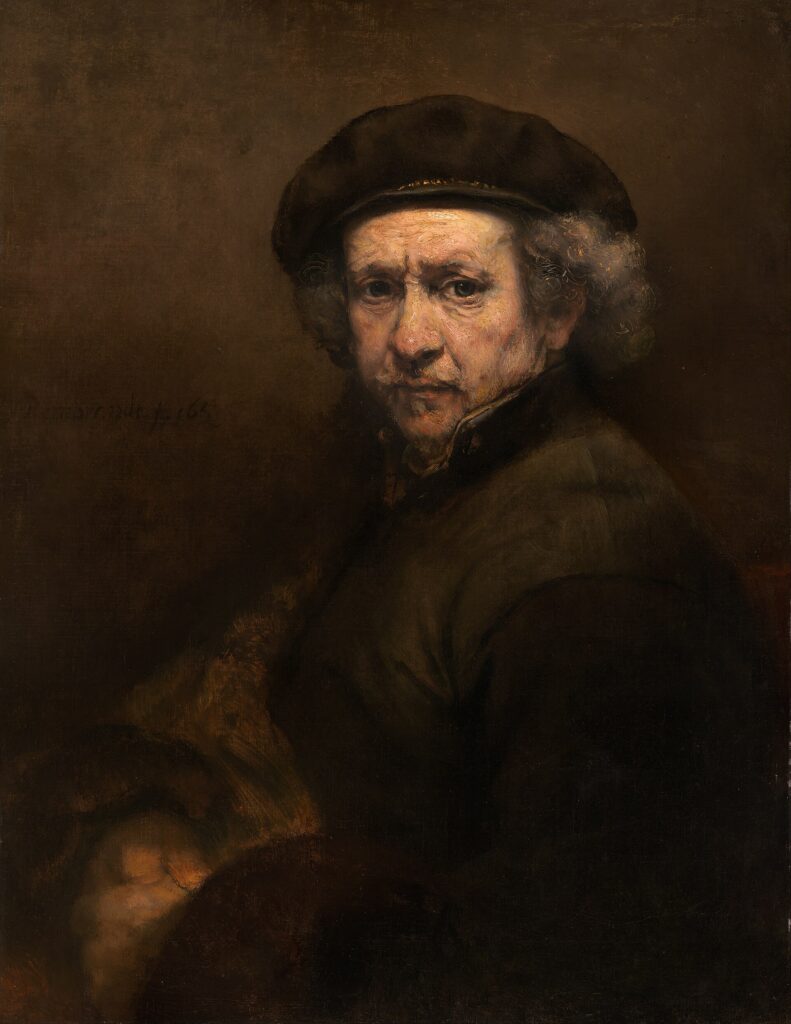
The dramatic, high-contrast style of Rembrandt van Rijn is experiencing a massive resurgence. From dark academia streetwear brands printing moody oil portraits onto heavy-grain hoodies to indie game developers analyzing his mastery of light, his work is highly sought after by modern creators.
Because Rembrandt passed away in 1669, his entire catalog is universally in the public domain. However, actually obtaining high-resolution, print-ready files of his work in 2026 requires navigating a hidden landscape of museum restrictions, contract law, and digitization traps.
This guide breaks down how to source Rembrandt’s masterpieces legally and safely for commercial use.
The Legal Reality: 1669 vs. 2026
When dealing with a master who has been dead for over 350 years, copyright law itself is not your obstacle. The hurdle lies in how you acquire the digital file.
- The Original Art: Universally public domain. No estate, museum, or government can claim copyright over the physical paint applied by Rembrandt in the 17th century.
- The Digitization Trap: While a landmark legal case (Bridgeman Art Library v. Corel Corp.) established that exact, two-dimensional photographic copies of public domain art do not create a new copyright in the US, many European museums operate under different legal frameworks. More importantly, they use Terms of Service (ToS) rather than copyright law to restrict usage.
- Contract Law vs. Copyright Law: If you download a high-resolution image directly from a museum’s website, you often must check a box agreeing to their Terms of Service. If those terms say “Non-Commercial Use Only,” you can be sued for breach of contract, even if the artwork itself is completely free of copyright.
Safe Sourcing Strategies for Creators
To use Rembrandt’s work on retail apparel, album covers, or digital assets without legal risk, you must source from institutions that explicitly waive both copyright and contractual restrictions.
1. The Rijksmuseum (Amsterdam)
The gold standard for Rembrandt sourcing is the Rijksmuseum, which holds the world’s most significant collection of his work, including The Night Watch and The Jewish Bride.
- The Policy: Through their “Rijksstudio” initiative, the museum has placed hundreds of thousands of high-resolution images into the public domain under a Creative Commons Zero (CC0) designation.
- The Access: You can create a free account, download maximum-resolution files, and use them commercially for apparel design, digital printing, or product packaging with zero licensing fees.
2. The National Gallery of Art (Washington, D.C.)
Another incredibly safe depository for American and international commercial projects.
- The Policy: The NGA implements an open-access policy for all images of works in its collection believed to be in the public domain.
- The Access: Images can be downloaded directly from their web catalog without registration, and the museum explicitly permits commercial reproduction without further clearance.
3. Creative Commons Zero (CC0) Metasearch Tools
Platforms like Wikimedia Commons or CC Search aggregate open-access museum files. When using these, always trace the image source back to the hosting institution to verify that a CC0 or public domain mark was officially applied by the museum holding the physical piece.
Technical Best Practices for Print & Apparel
Rembrandt’s signature style relies heavily on chiaroscuro—the intense contrast between deep, velvety shadows and bright, directional light. This creates specific challenges when transferring digital files to physical products.
- The Black Ink Problem (Direct-to-Garment): Rembrandt’s backgrounds are rarely pure black; they are composed of warm umbers, deep ochres, and complex browns. When printing on black apparel via Direct-to-Garment (DTG), standard printer software may attempt to lay down a thick white underbase beneath these dark tones, resulting in a muddy, heavy plastisol feel.
- The Fix: Work with a printer who can employ “black garment blending,” where the darkest tones of the painting are set to transparent, allowing the natural fabric of the black t-shirt or hoodie to serve as the shadow layer.
- Color Profile Synchronization: Museum files are typically exported in Adobe RGB to preserve the absolute maximum color depth of the oil pigments. However, most commercial textile printers require CMYK profiles. Always convert your workspace to a high-fidelity CMYK profile (such as GRACoL or Coated FOGRA) to ensure the rich golds and skin tones do not turn gray or dull during production.
Ethical Considerations & Best Practices
While you are legally free to crop, glitch, colorize, or collage Rembrandt’s work for your brand, maintaining high-fidelity sourcing records is crucial.
Keep a dedicated digital ledger containing the direct URL of the open-access museum catalog where you obtained the file, along with a screenshot of the page displaying the CC0 or public domain status. If an online marketplace or payment processor flags your product for IP review, presenting this documentation will typically resolve the issue within hours.